
Medicine taught me to see the whole system. Coaching changed how I help its leaders.
A practicing doctor and Board Certified Coach, working with healthcare leaders since 2017.
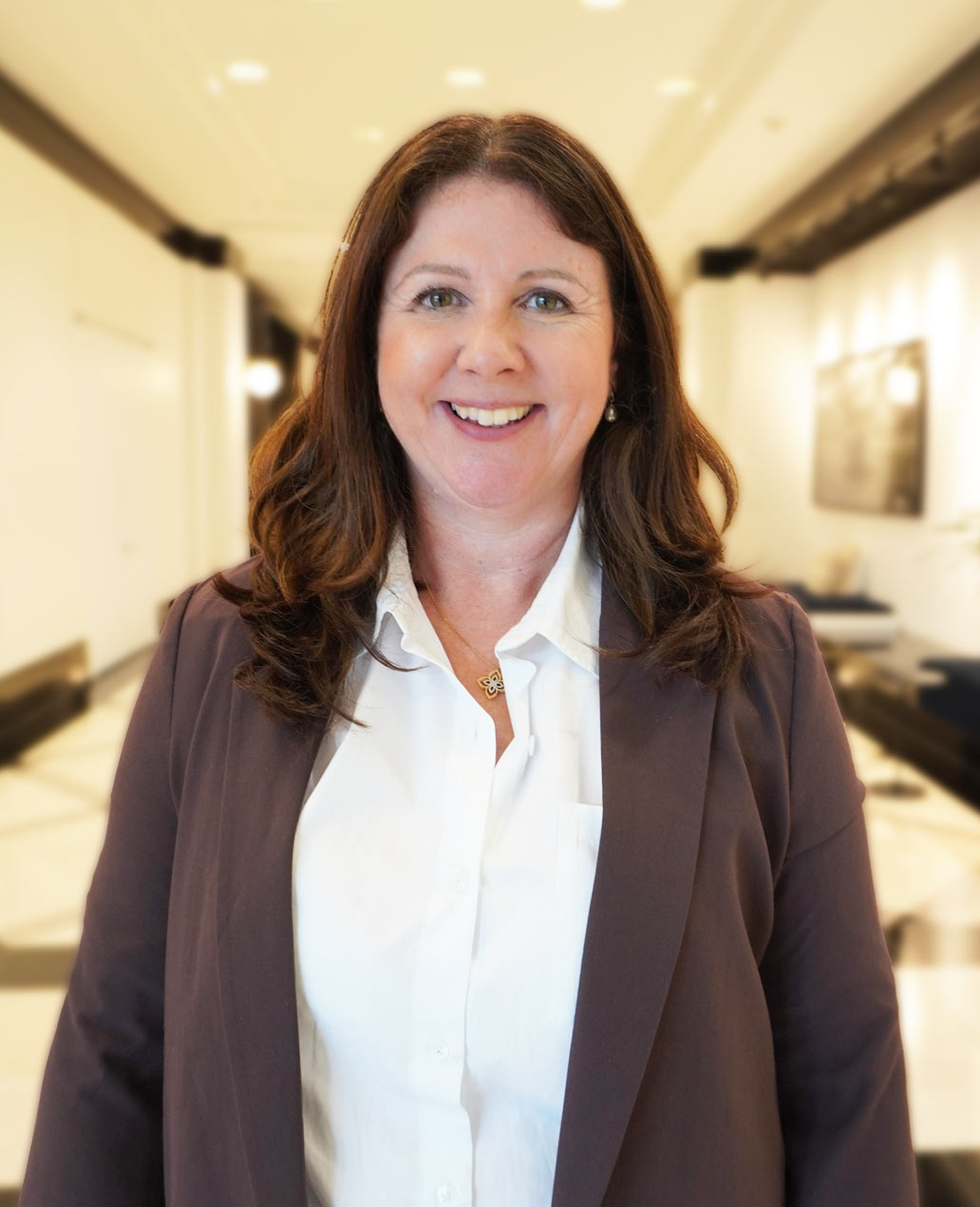
A doctor and an executive coach, at the same time
Alexandra is a UK-trained physician who has practiced medicine since 2006 and qualified as a GP in 2011. She has coached healthcare leaders since 2017, and she continues clinical work alongside her coaching practice. That is the deliberate part: she has not left medicine to talk about it.
Medical training and career
Nearly twenty years in practice, including general practice from 2011, has given her a working understanding of how healthcare organizations actually behave — how decisions get made, where accountability blurs, and what it costs a clinician to carry organizational responsibility on top of clinical responsibility.
Leadership and management experience
Alexandra has practiced as a family doctor and has led a family doctor practice — running a clinical business, with the staffing, financial and partnership realities that involves. She has held leadership positions within the NHS, the United Kingdom’s state healthcare system, one of the largest and most complex healthcare organizations in the world.
She has also worked as a doctor appraiser, formally reviewing the practice and development of other physicians. That role matters more than it may first appear: appraising a peer, honestly and usefully, is very close to the work of coaching one. It requires the same combination of clinical credibility, structured questioning and willingness to say the difficult thing kindly.
The transition her clients are going through — from respected clinician to person accountable for other people, budgets and outcomes — is one she has made herself, more than once, rather than one she has read about.
Why she began coaching healthcare leaders
The pattern that led here is a familiar one: excellent clinicians promoted for their clinical excellence, then left to work out an entirely different job on their own. Generic leadership development rarely lands with them, because it does not account for clinical identity, for leading former peers, or for the particular weight of decisions that affect patients as well as budgets.
What continuing clinical practice contributes
Credibility, first — a physician leader will engage differently with a coach who still practices. But more usefully, it keeps her current. She is not describing a healthcare system as it was when she left it, because she has not left it.
Coaching credentials and methods
Alexandra is a Board Certified Coach and a practitioner of both the Hogan 360° instrument and the MBTI. Her practice is aligned with the ICF Core Competencies and Code of Ethics. Her approach follows a defined five-stage structure — Align, Assess, Coach, Apply, Review — with sponsor contracting and participant confidentiality agreed in writing at the outset.
Personal approach
Direct, calm and commercially minded. Clients are not treated as problems to be fixed; they are treated as capable people doing a genuinely difficult job who benefit from an independent thinking partner willing to challenge them. The work is practical and applied to what is actually on their desk.
Professional standards and ethics
Coaching is a professional development service. It is not medical care, psychotherapy, diagnosis or treatment. Alexandra’s medical experience informs her understanding of healthcare context; she does not act as the participant’s doctor within a coaching engagement. Where a conversation surfaces something that belongs with a clinician or a therapist, she refers rather than extends her scope.
Qualifications and background.
Every item here is a matter of record and can be verified on request.
- UK-trained medical doctor
- Practicing since 2006
- Qualified GP since 2011
- Family doctor, and former leader of a family doctor practice
- Doctor appraiser
- NHS leadership positions
- Board Certified Coach
- Coaching healthcare leaders since 2017
- Hogan 360° practitioner
- MBTI practitioner
- Practice aligned with the ICF Core Competencies and Code of Ethics
Alexandra is a practitioner of both the Hogan 360° and MBTI instruments. Her practice is aligned with the ICF Core Competencies and Code of Ethics; she does not hold an ICF credential and the practice does not describe itself as ICF-certified.
What leadership capability does your organization need next?
Share the context, the leaders involved and the change you want to see. Alexandra will respond personally to arrange a confidential introductory discussion.